VOTE [ 1 ] ALEX NUTMAN 2024
I’ve always been of the belief that you need to be a practitioner in any field to be able to understand it fully. Even if I don’t see myself holding down the fort at Kirribilli one day, I still thought it important to run my own campaign, albeit at a local level, for an elected position.
The following is how I approached the 2024 Bayside City Council election as a marketing, communications, and design exercise.
I received 320 of 7969 first preferences, 4.02% (enough to get my nomination fee back) and ended up 11th eliminated of 18 candidates during the final result calculation per the Victorian Electoral Commission. I had no pre-established presence in the community, starting my campaign from nothing, and did not seek endorsements from community groups.
Lessons
Nobody cares, somebody cares. We’re lucky in Australia that elections are short events, generally lasting from the election being called, to election day itself. Outside of this period, the overwhelming majority of people don’t want to be involved. They have bills to pay, places to be, work to do; so when election time does roll around it’s important to make your case as accessible as possible.
In the same breath I’m telling you that somebody out there has an issue to discuss that’s meaningful to them and directly impacts their life. My example here is an email I received from a disability advocate in Bayside, asking for more attention for specialist disabled facilities. Getting in touch with these people early and garnering endorsements could be very impactful to your own crusade. I know for a fact I missed out on assistance from a community group that would’ve been welcome for letterboxing.
Which brings me to mail-outs. You’ll see many campaigns doing this through volunteers, because it’s prohibitively expensive for a small-scale candidate to have Australia Post deliver them. At the same time, it would take a prohibitive amount of time for a solo candidate to deliver them by hand. Having a few thousand leaflets printed isn’t too pricey, and if I were to run again I would make it happen, even if the final leaflet is delivered weeks after the first. Getting your name, face, and key issues in someone’s hand is worth a lot more than showing up in a social feed for a second.
Finally, I should’ve made and printed a T-shirt. You become a cheap bipedal billboard and a latent conversation starter. The next best thing to standard OOH advertising (which I’m certain isn’t cost effective at a local level).
Community Outreach
In the lead up to ballots being mailed out I reached out to community groups in Bayside that had direct ties to the ward I was running in. This included over a dozen sporting clubs, Bayside Neighbourhood Watch, Bayside Climate Crisis Action Group, and others. While I was able to have quality discussions with groups that responded, I was surprised to not receive any response from sporting groups at all – my best guess is they wanted to avoid any semblance of bias given that sports grounds and facilities are almost entirely council controlled and/or maintained.
The emails I’d send would typically by a short introduction, a linking line (eg; There’s a petition for an off-leash area at the park you play at.. / I spoke to some of your members at the pub, and..), and then a request for comment on either the linking issue, or something more widely impactful like female changing facilities.
I also received (as did every candidate I suspect) near three dozen requests for pledges or comment on issues ranging from LGBT representation in council, to cycling infrastructure, to bronze-crested pigeons.
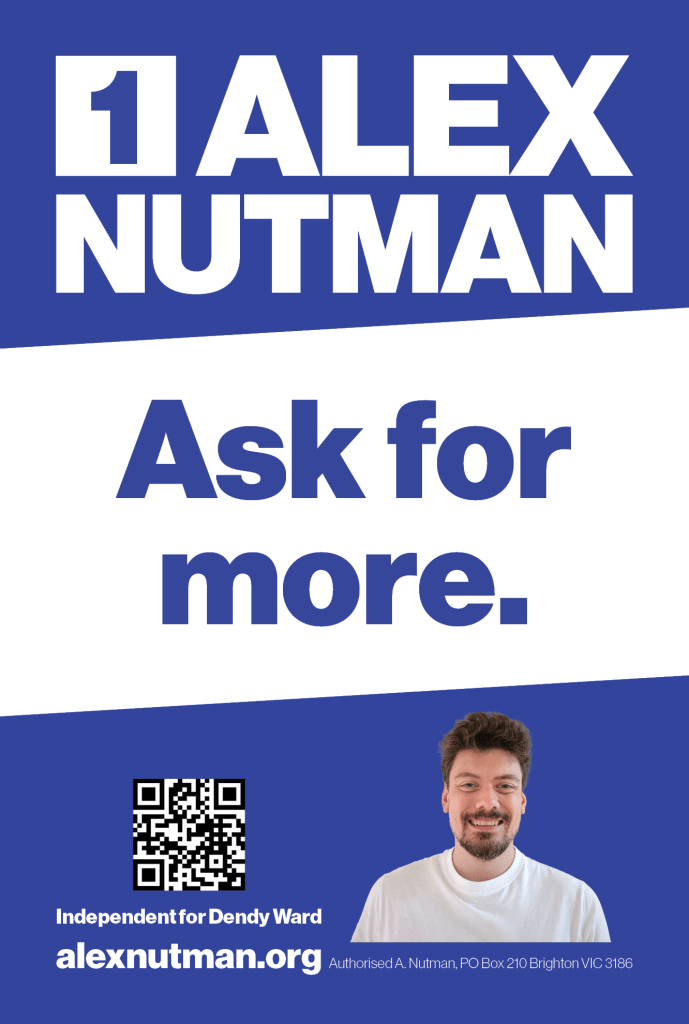
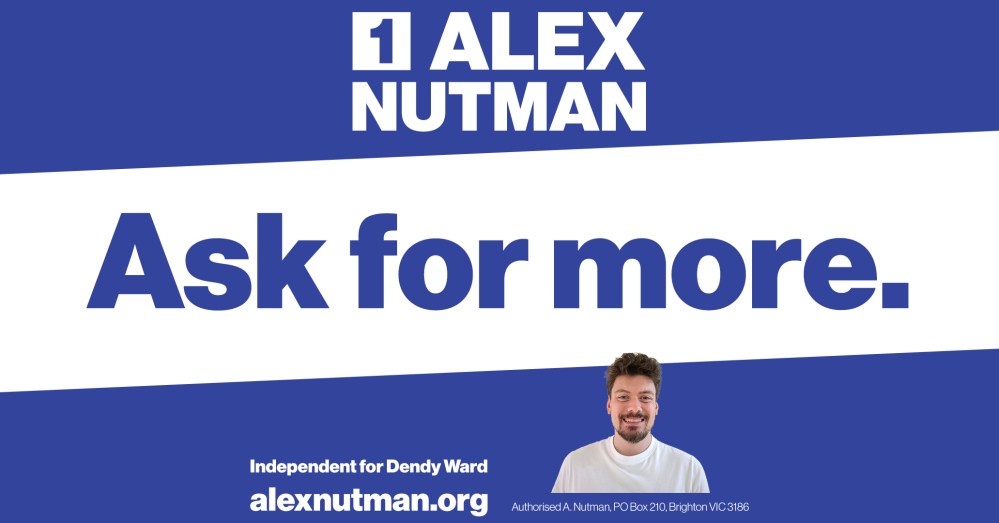
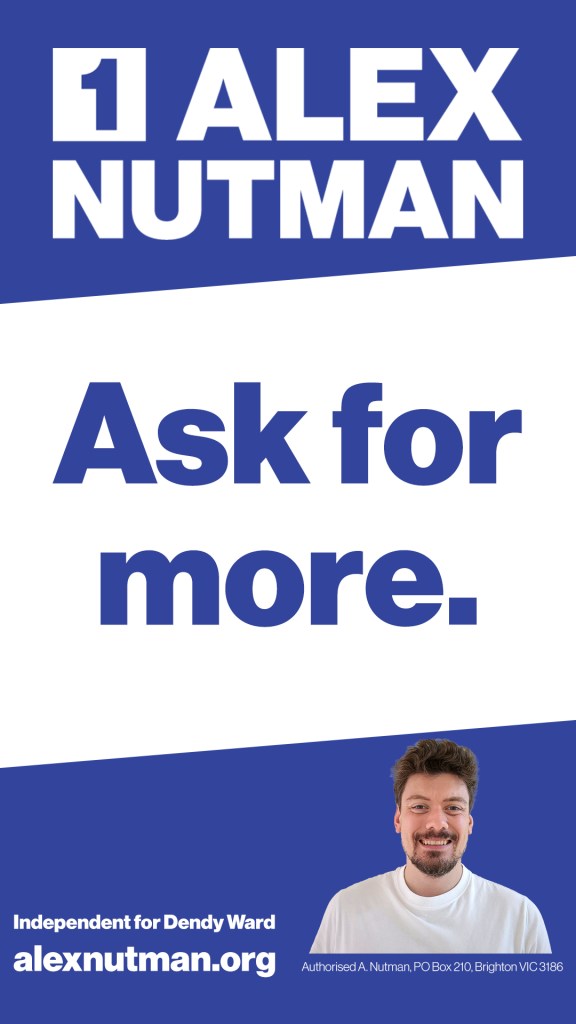
Ask for more.
I wanted a line to use to be able to hammer home that I thought the council at the time had shortcomings, and the community deserved more from it. I started with ‘Stepping Up’ with the aim of showing enthusiasm for the role of councillor, and to more simply outline the time I’d spent researching and taking on feedback from the community. This ultimately ended up in my candidate statement in the pamphlet mailed out with the ballot paper.
I moved to ‘Ask for more’ when I saw other candidate statements and their key issues, which I felt were uninspiring. Rubbish, roads, rates, focus on the basics, focus on the fundamentals. A line on green space, a line on financial responsibility, a line on rate freezing. Clones. ‘Ask for more’ meant just that, asking for more than the basics, and I reflected this in my short-form video content and key issue set.
Website
I set the website up up to be a quick and easy place to access all of the key issues I wanted to push for the local election. Initially, I had a cut-down version of my About page that was roughly the same as the candidate statement I submitted to the VEC. I later changed this to be about a paragraph on where and why I was running, and a counter to the basics/fundamentals spiel every other candidate was using, and then 1:1 with my Key Issues page as I noticed visitors weren’t clicking through 100% of the time. I also had a more complete bio on the About page, and a contact form.
My key issues/policy items came from a mix of community suggestions and concerns I felt would benefit the entirety of Bayside if addressed. I made certain to back up as much as I could with sources and references, including council reports, the Australian Bureau of Statistics, independent studies, state crime reporting, and Victorian parliament Hansard.
Speaking briefly to where some extra spending might’ve been useful; having a real analytics plugin and the ability to use a Meta Ads pixel would’ve been super useful, but I did my best with the base region, page clicks, and site origin metrics.
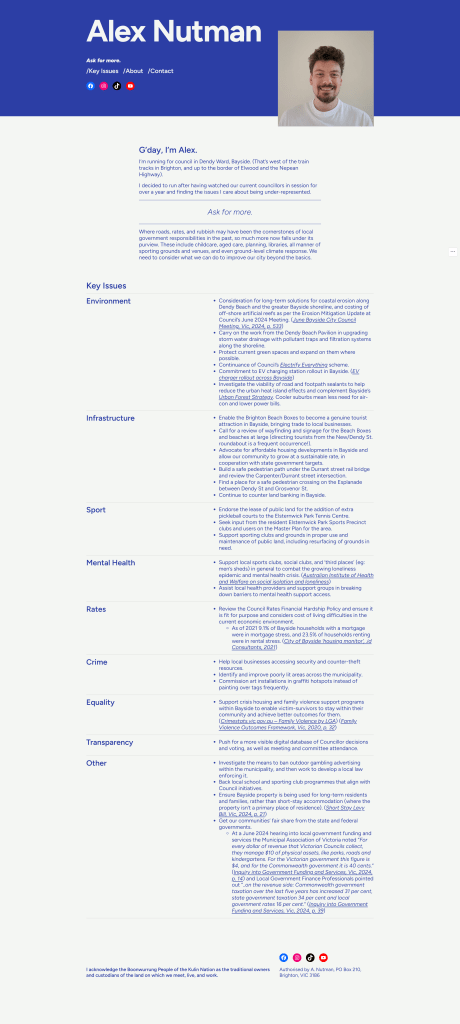
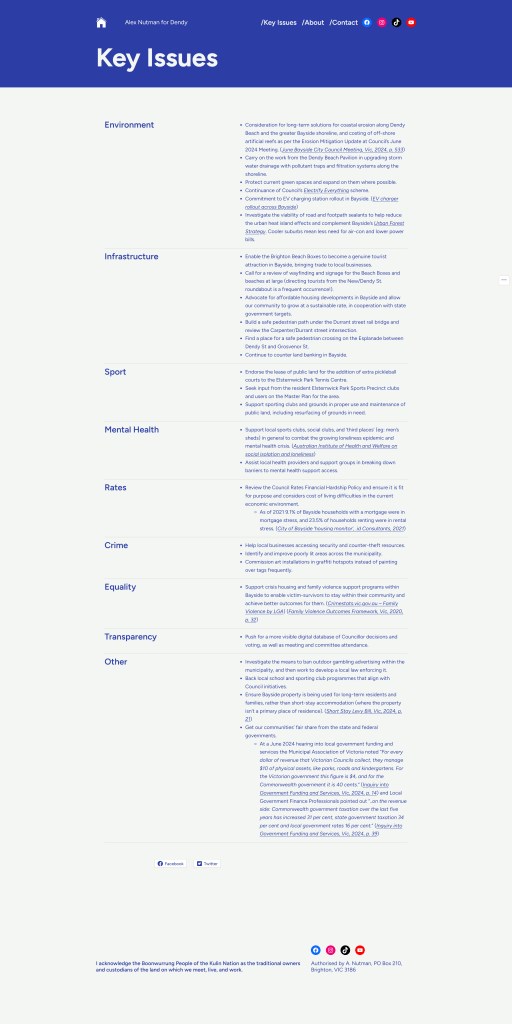

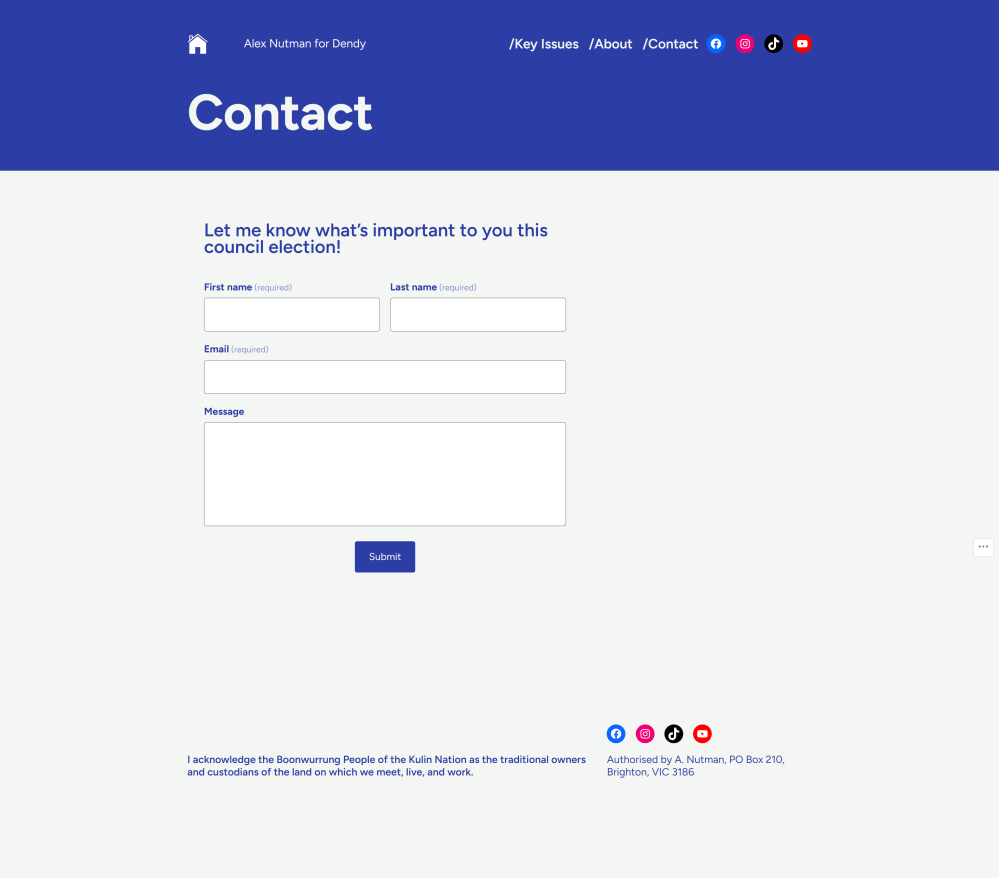
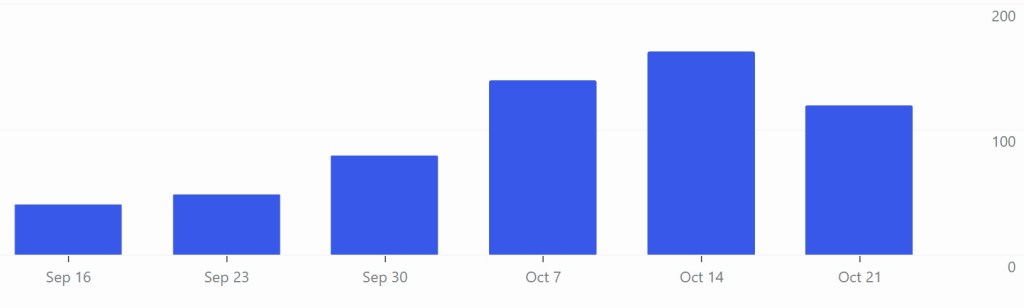
Before the 7th, Meta ads were the leading point of origin, and after ballot packs were received, Google search took over by a large margin.
Corflute
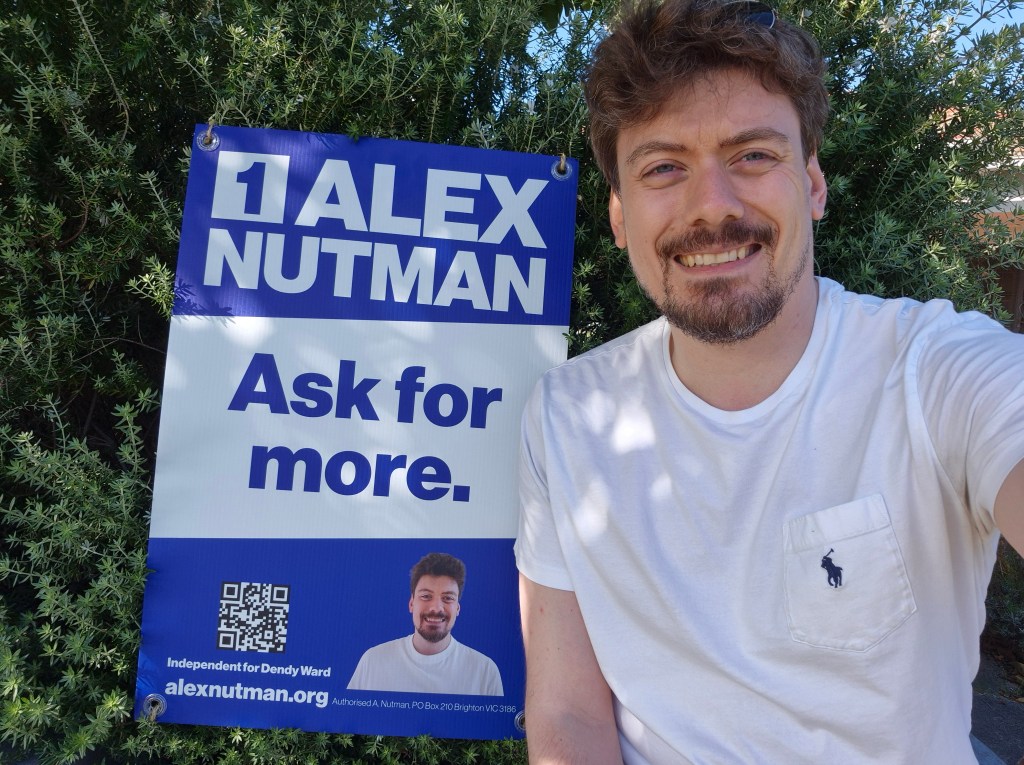
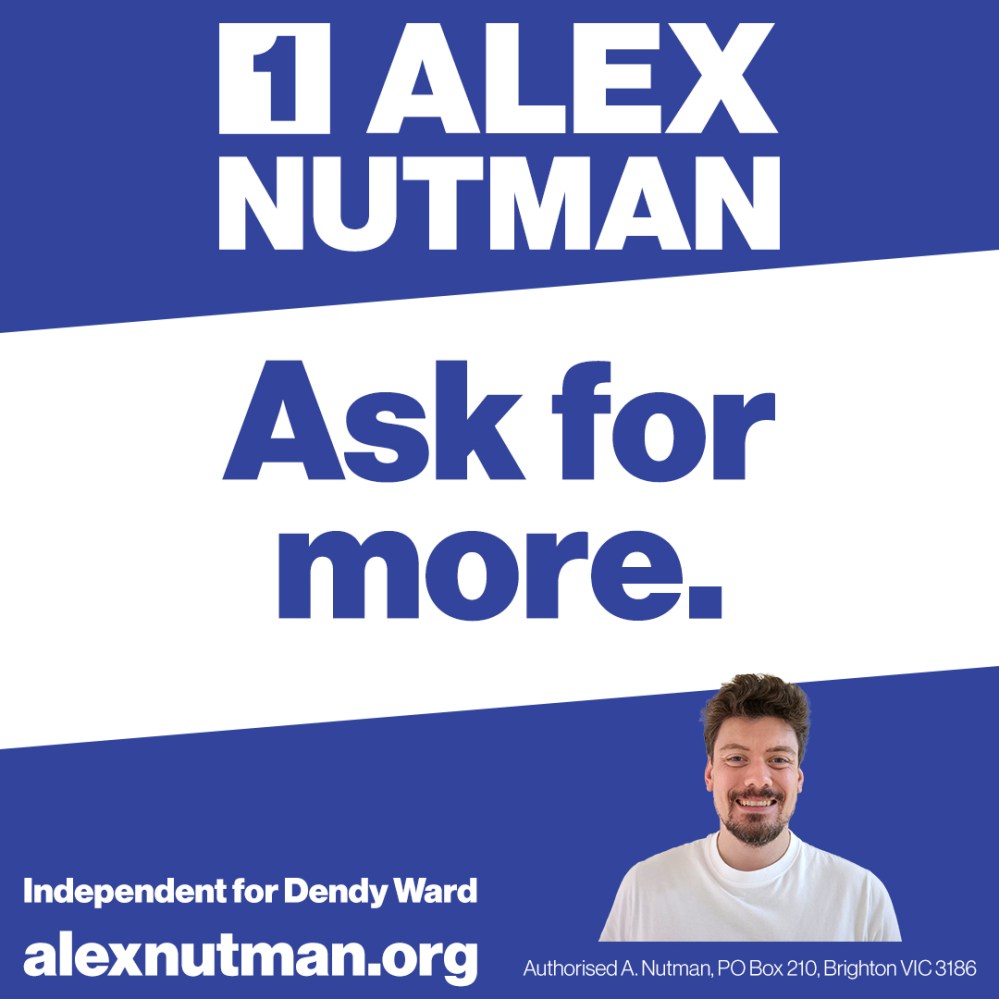
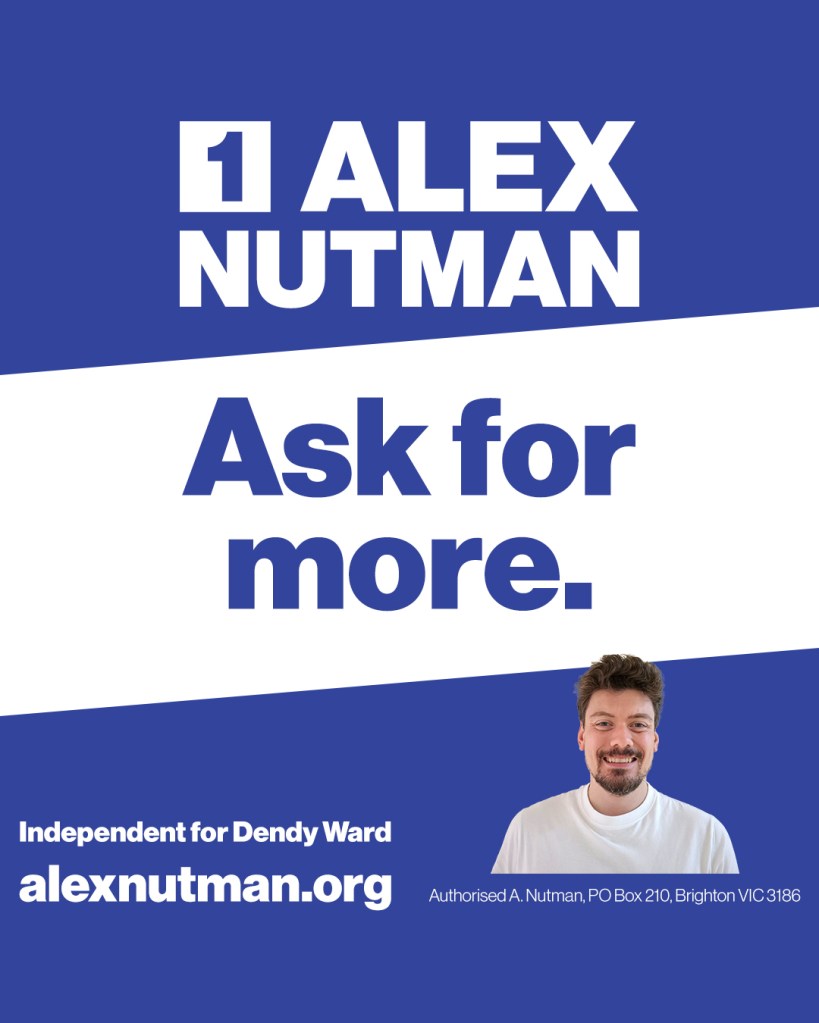
Corflutes are ubiquitous to any Australian political campaign, and even though I didn’t expect to have them on any other fence-line than my own, I wanted to design one and have it printed anyway. Call it hubris. I wanted to contrast other candidates signs, which I felt were needlessly overcrowded with information, by having a simple slogan and only absolutely necessary text otherwise. This came down to my name, web address and QR code, location and (lack of) party affiliation, a smaller than standard photo, and the authorisation message mandated by the VEC. We didn’t have any party endorsed candidates in my ward so the darker blue colour that would more commonly be associated with the Liberal party, and more broadly has positive psychological associations, was up for grabs. I also kept the lesson of putting nothing other than a 1 in a box from the prior state election.
Social Presence
Below are a few notes on each social platform, some analytics for each in a table, and three of my better performing short-form videos. Targeting social posts for such a small audience has been difficult, much of what I know is meant for brand or influencer level content. My best advice for anyone running at this level, and what I would do if there were a next time, is to got to community based Facebook groups and say hello before starting your campaign. Perhaps platforms like Nextdoor too.
YouTube – 13.8% of audience was from Australia. Australia also had the highest average view duration at 15seconds. Community post didn’t garner any impressions, I suspect having a subscriber base of any note would’ve given it a kickstart.
TikTok – I ended up in 200 viewer hell. 73.2% of audience were AU but only 11.7% from Melbourne, Average watch time was under 6sec for all videos – bottom line here is that my hooks sucked.
Instagram Reels – Average watch time on Instagram was much higher than other platforms, I’d invest more time here if I were to run again, boosting.
Instagram Posts – Best posts utilised the 2+ image meta to have posts show up in user feeds more often.
Facebook Reels – I don’t understand FB reels well enough. Doesn’t look like the same audience as IG.
Facebook Posts – FB posts felt relatively useless, I’d absolutely test using boosted posts next time as they seem to be the only way to cut through the noise outside of having a group/community set up.
| Platform | Views | Watch time | Reach | Impressions | Most successful Content |
|---|---|---|---|---|---|
| YouTube | 1,860 | 444m | – | 1,493 | Passionate, Political, or Pixxed Off? – 534 views, 12 likes, 1.7hrs watch time |
| TikTok | 1,181 | – | – | – | Graffiti – 283 views |
| Instagram (Reels) | 546 | 99m | 336 | 380 | Rubbish. – 176 views |
| Instagram (Posts) | 184 | – | 127 | 144 | I bought a sign – 54 views, 31 accounts reached, 5 likes |
| Facebook (Reels) | 220 | 27m | 147 | – | Rubbish. – 35 plays, 7m watch time, 22sec average view time |
| Facebook (Posts) | 134 (video only) | 11m (video only) | 216 | 255 | Ballot position draw – 81 plays, 7m watch time |
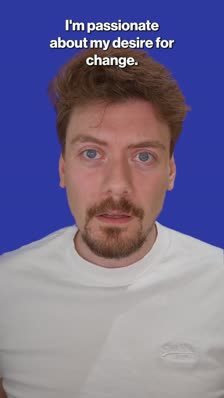
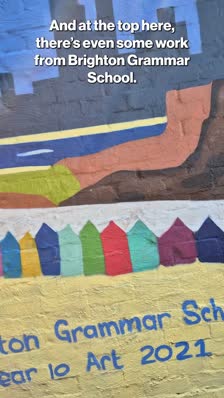
Below are three of the short-form videos I produced: Passionate, Political, or Pixxed off?, Graffiti, and Rubbish.

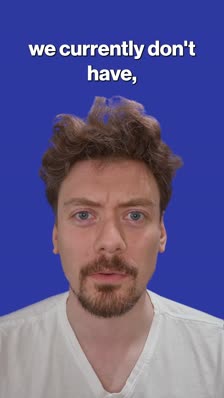
Meta Ads
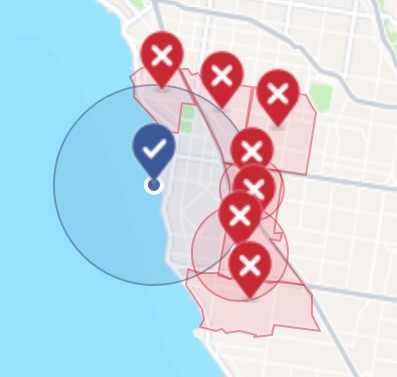
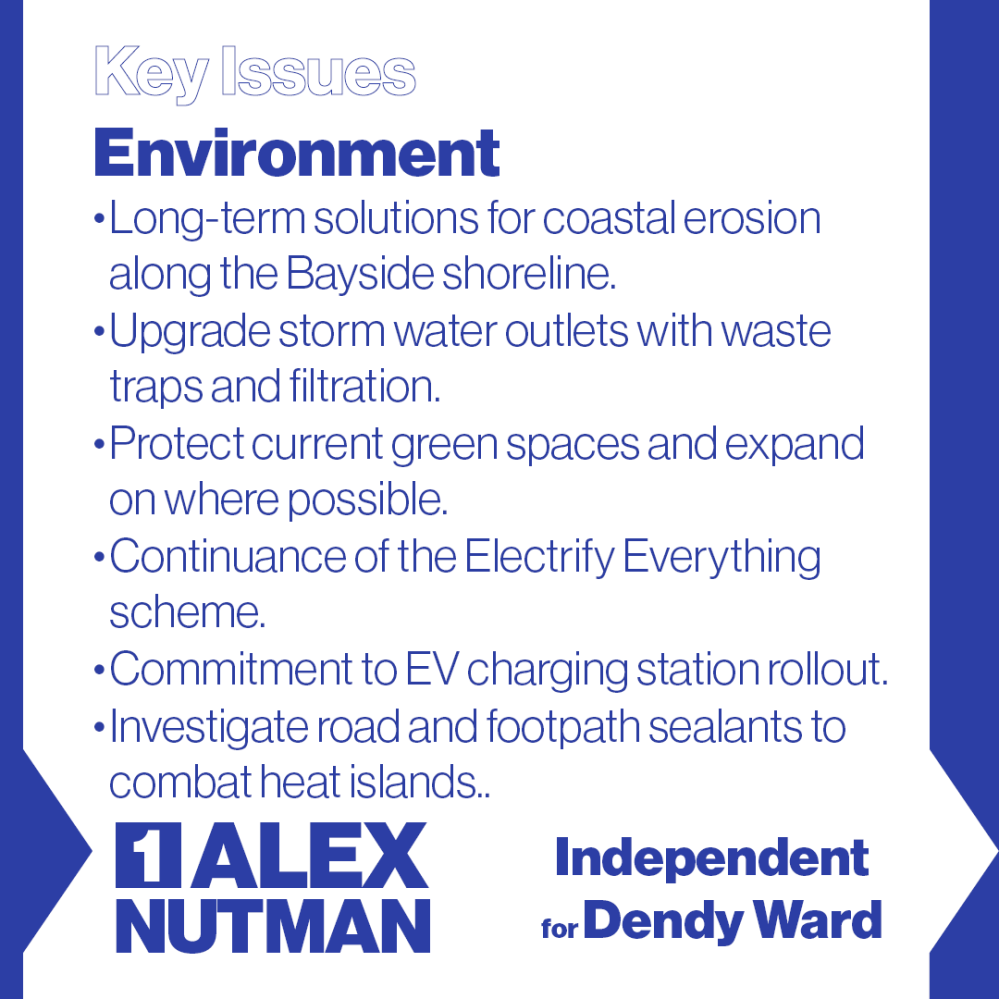
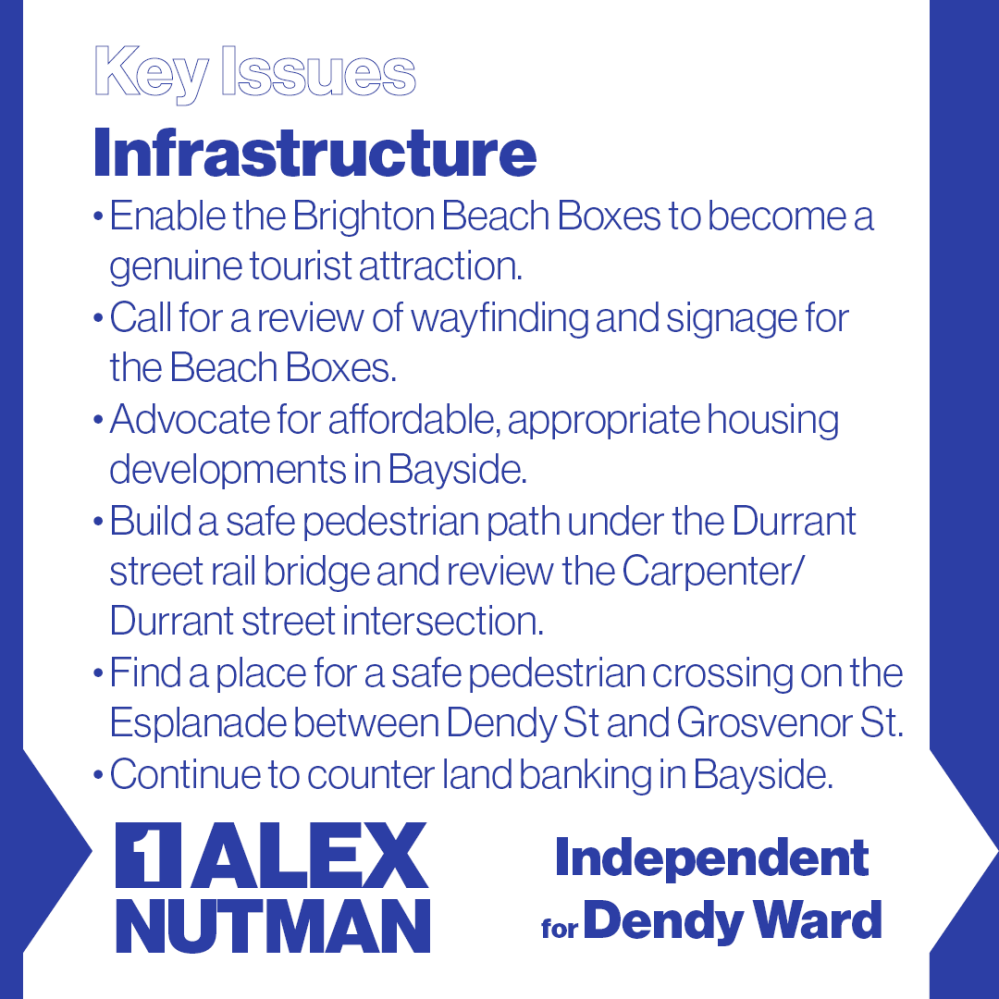
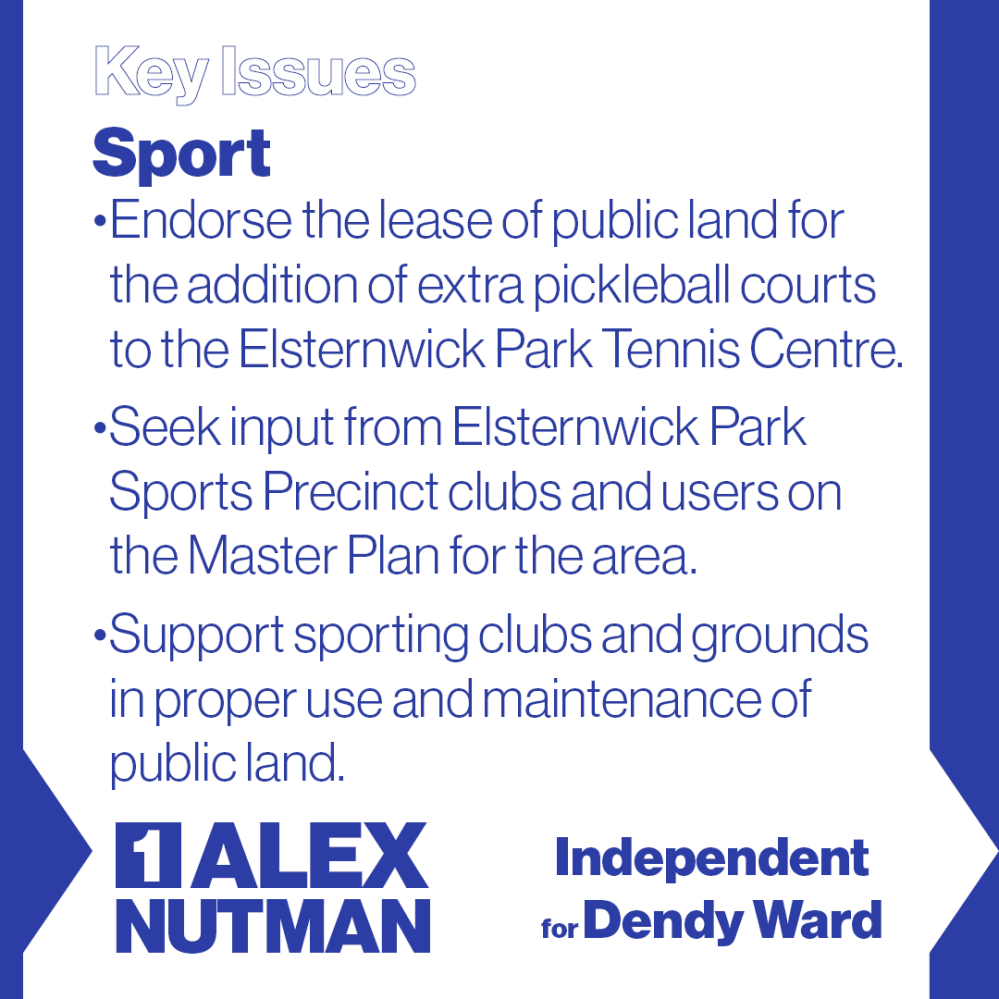
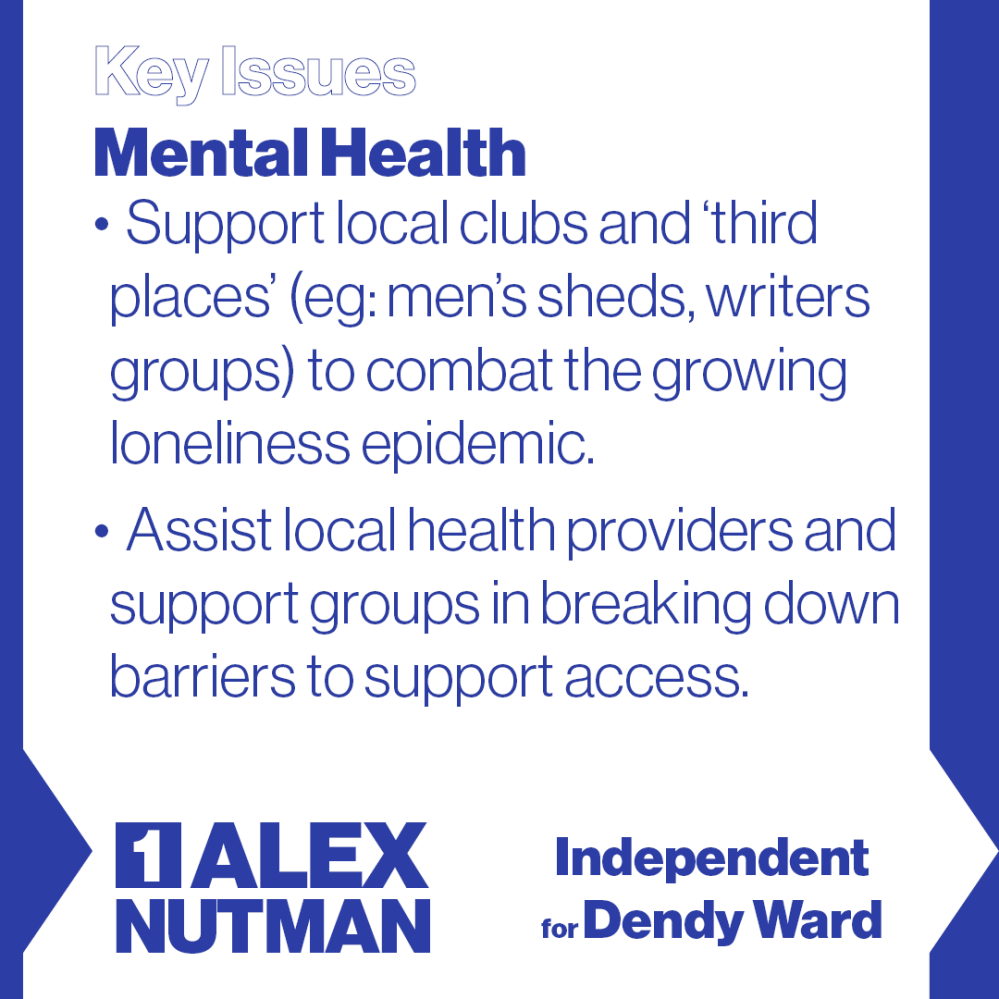
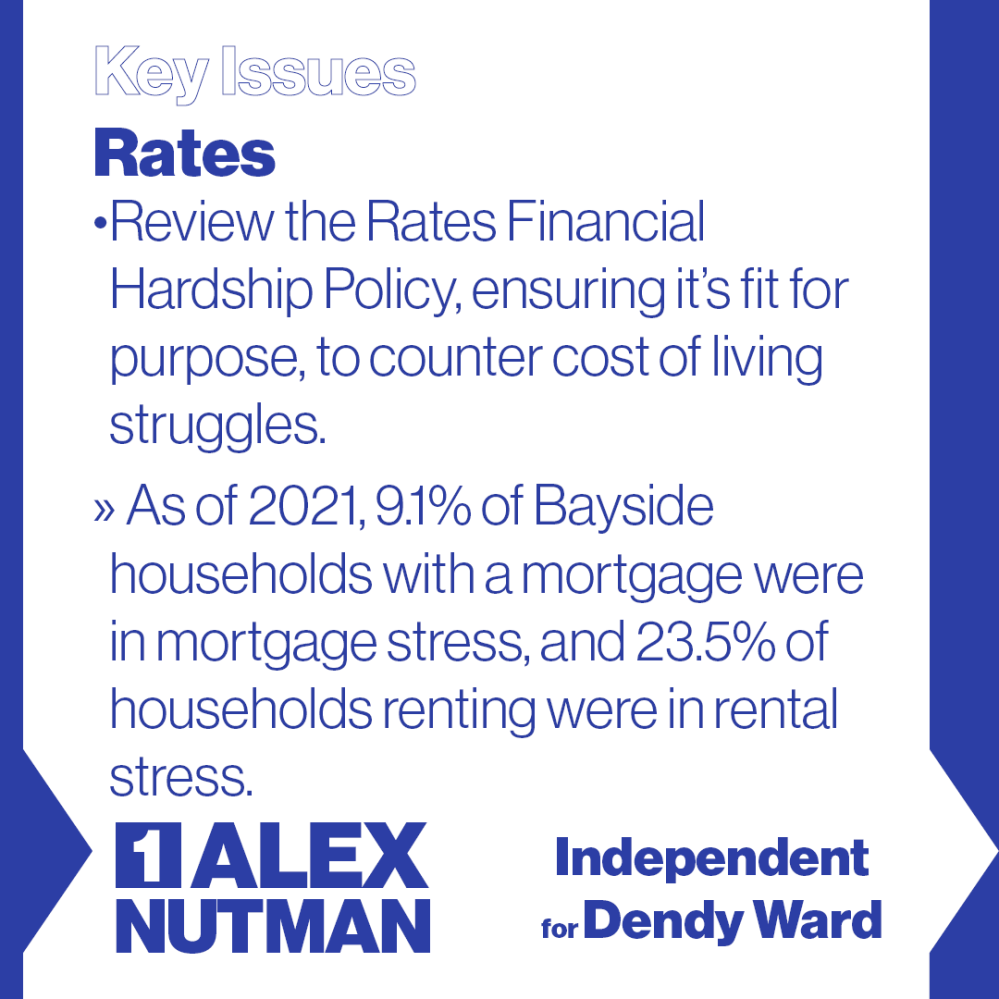
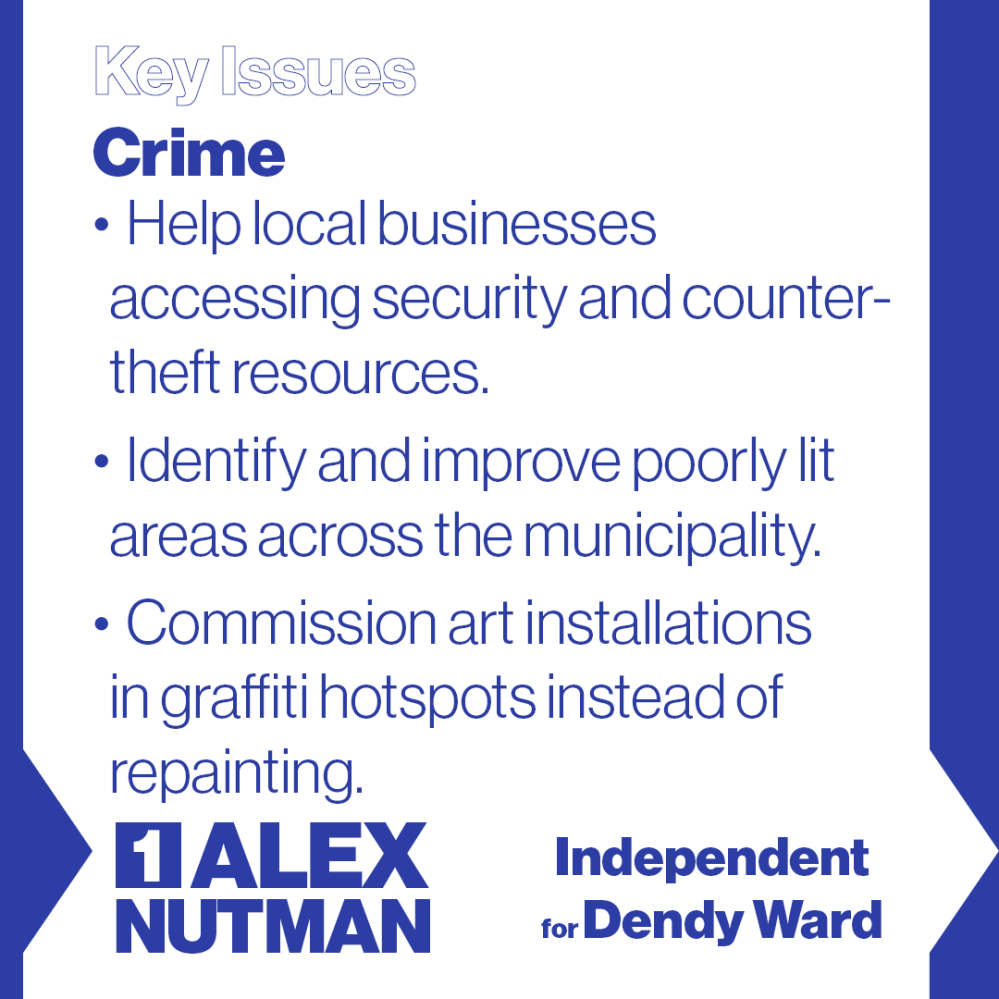
I knew my policy points set me a part most from other candidates, so my initial intention with Meta Ads was to get traffic onto my website with the full list. This later became a push for colume when I shifted to the image carousel with shorter dot-pointed versions of my key issues. The audience location targeting I used included much of Brighton and all of Dendy Ward, excluded surrounding suburbs via postcode, and excluded areas not within the council ward via area pin. Meta ads estimated an audience size of 3700-4400, while the number of people on the electoral roll was 10,692. In practice the audience size was likely higher. Meta Ad Library estimates my audience at 5-10k, while other candidates sat at anywhere from 10-50k, to >1M.
My budget was typically $10/day, and was bumped to $20/day for first election week after ballot mail-out. If I had the funds available I would’ve bumped it for the final week before ballots needed to be in the mail as I had an up-tick in web traffic irrespective of my ad campaign (the website was included in my submission to the VEC for use in the candidate leaflet).
| Set | Total Spent | CPC | Reach | Impressions | Frequency | CPM | Link Clicks | CTR | Clicks (all) | CTR (all) | CPC (all) |
|---|---|---|---|---|---|---|---|---|---|---|---|
| Campaign | $214.61 | $1.97 | 4,219 | 11,192 | 2.65 | $19.18 | 109 | 0.97% | 243 | 2.17% | $0.88 |
| Creative 1 | $47.13 | $1.75 | 1,290 | 2,429 | 1.88 | $19.40 | 27 | 1.11% | 63 | 2.59% | $0.75 |
| Creative 2 | $55.03 | $2.75 | 1,479 | 2,470 | 1.67 | $22.28 | 20 | 0.81% | 50 | 2.02% | $1.10 |
| Creative 3 | $112.45 | $1.81 | 2,875 | 6,293 | 2.19 | $17.87 | 62 | 0.99% | 130 | 2.07% | $0.87 |
My precise audience location setup was as follows:
Included location: Australia: Latitude -37.91 Longitude 144.98 Melbourne (+3 km) Victoria
Excluded location: Australia: Melbourne (3162), Melbourne (3184), Melbourne (3185), Melbourne (3187), Melbourne (3188), Latitude -37.92 Longitude 145.01 Melbourne (+1.50 km), Latitude -37.91 Longitude 145.02 Melbourne (+1 km) Victoria
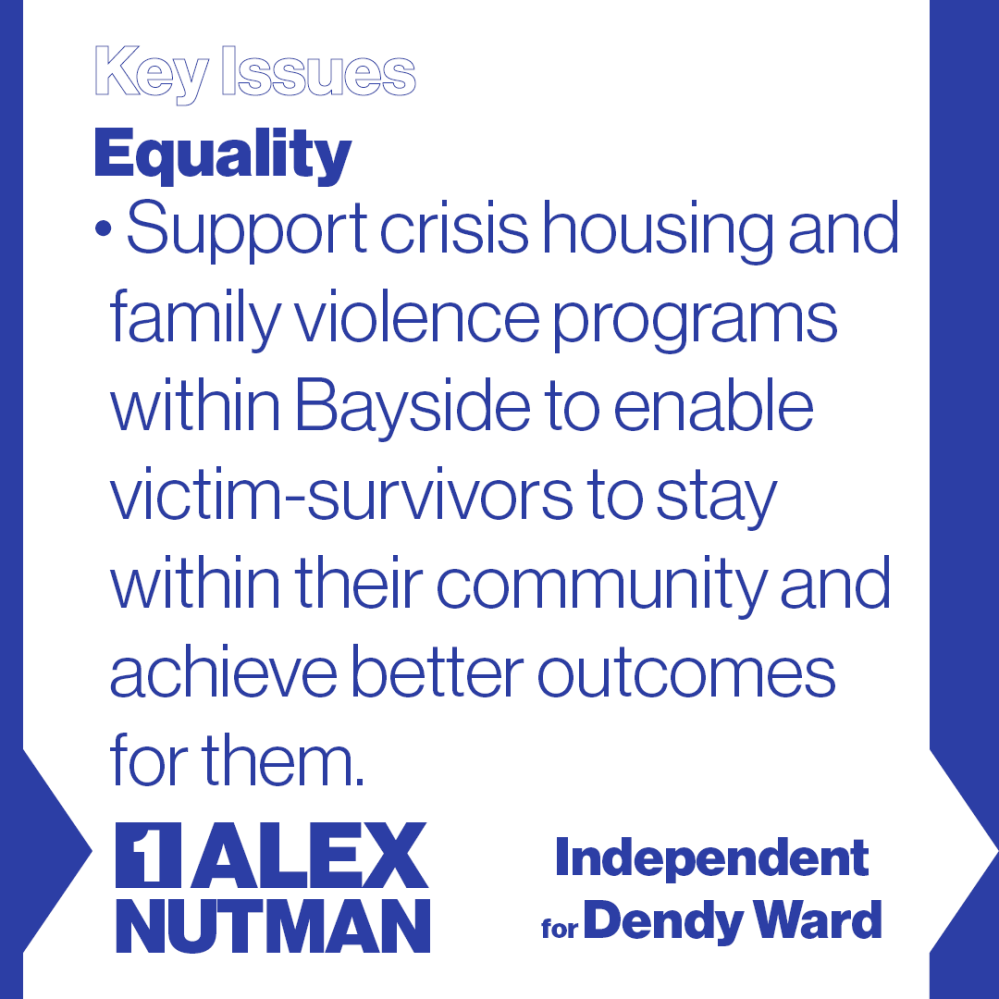
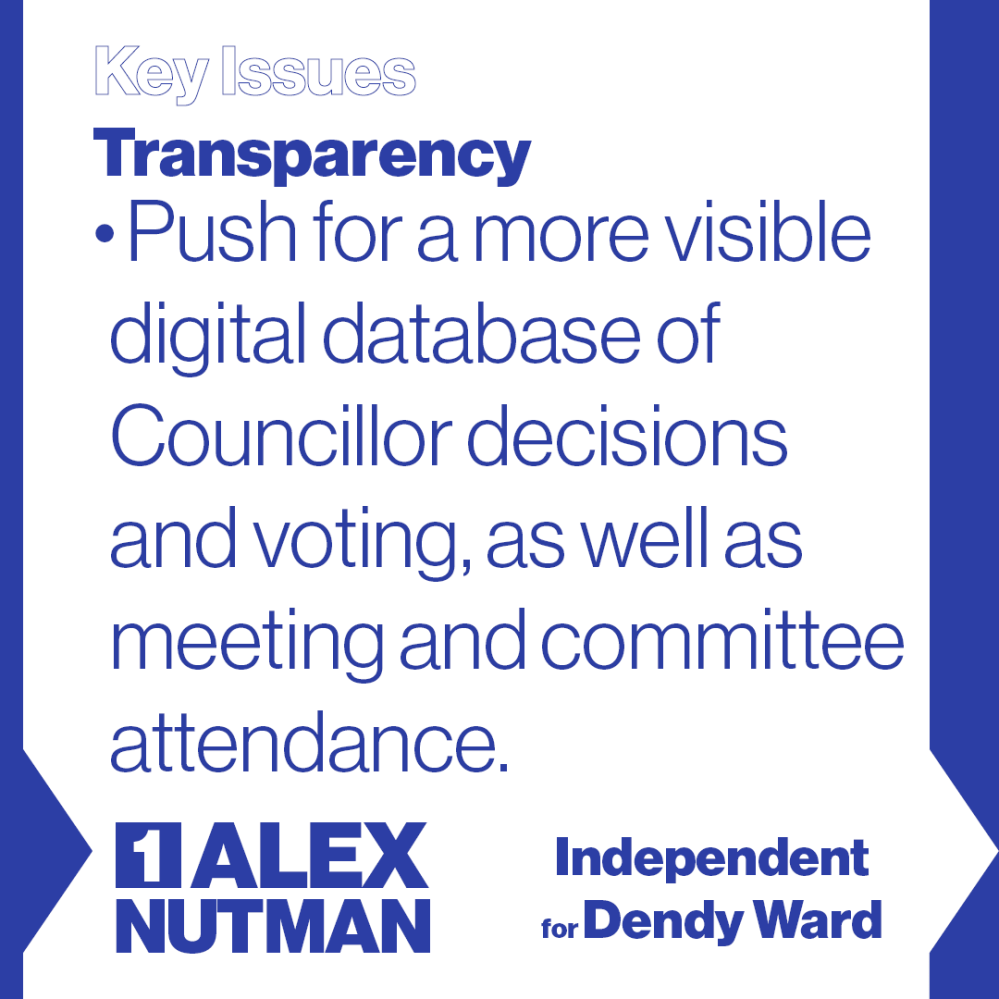
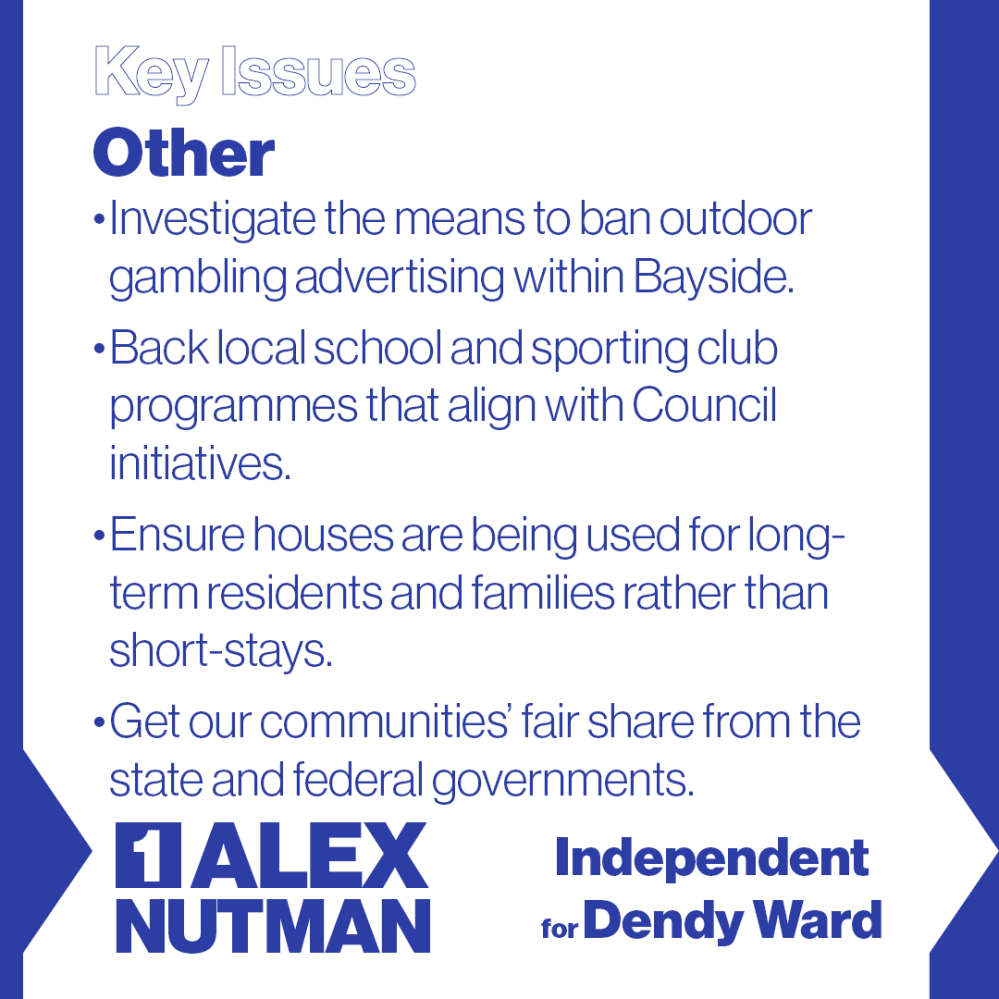
Creative 1 was a standard resizing of one image to fit all slots, Creative 2 was a reworking of copy, and Creative 3 was an image carousel of policy dot points.
 Alex Nutman